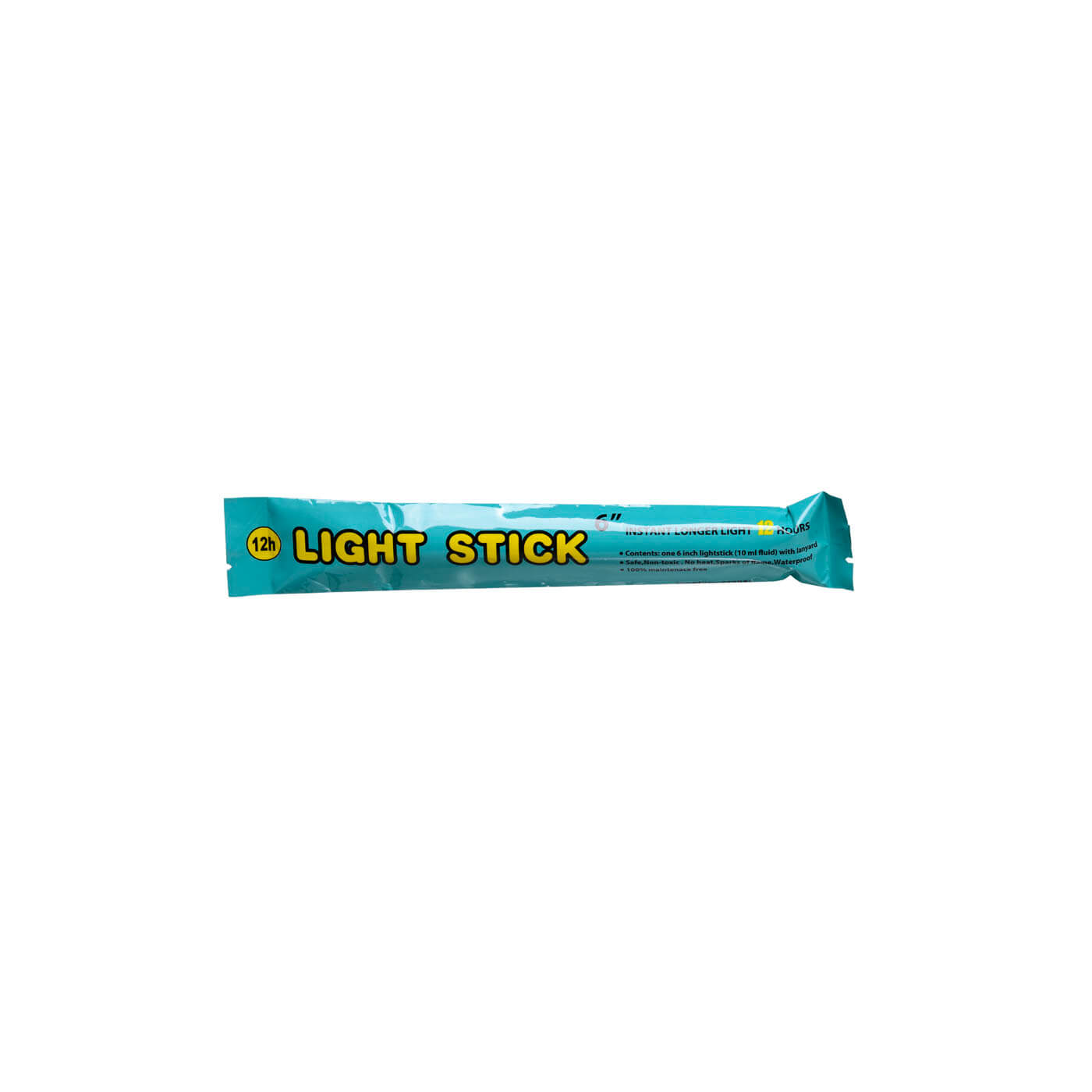
Chemical Light Sticks – Communication and Tools Module
Two 12-hour cyalume-type chemical light sticks for emergency lighting and signaling are included in the Communication and Tools module. Green (or yellow, depending on stock) colors are optimized for maximum brightness. Activated by simple bending, without heat or smoke. Secure lighting to see and be seen during night evacuations or in confined environments.
Safe Emergency Chemical Lighting
These light sticks are part of the Evakit Communication and Tools module (grey kit) and provide a perfectly safe emergency lighting source. Based on the principle of chemiluminescence, they offer 12 hours of continuous lighting without any risk of fire, explosion, or toxic emissions.
Chemiluminescence Technology:
Operating Principle:
- Cold Chemical Reaction: Mixing of two chemical compounds by bending
- Pure Light Emission: Without heat, flame, or smoke production
- Instant Activation: Immediate lighting after bending and shaking
- Guaranteed Duration: 12 hours of continuous lighting with decreasing intensity
- Total Safety: No risk of ignition or explosion
- No Flame: Usable in explosive or confined atmospheres
- No Heat: Safe handling, no risk of burns
- Waterproof: Works even when submerged in water
- Self-contained: No electrical power required
- Reliable: No mechanical or electronic failure possible
Color Optimization for Maximum Performance:
Green Color – Visual Efficiency:
- Ocular Sensitivity: The human eye perceives green better (555 nm)
- Perceived Brightness: Optimal visual performance in darkness
- Penetration: Penetrates fog and light smoke better
- Duration: Maintenance of intensity throughout the lighting period
Multiple Emergency Applications:
Safety Lighting:
- Night Navigation: Path lighting during evacuations
- Confined Spaces: Safe exploration of areas without electricity
- Emergency Camp: Temporary bivouac lighting
- Emergency Reading: Consultation of maps, documents, instructions
- Precision Work: First aid or repairs in darkness
Signaling and Location:
- Personal Beacon: Signal one’s position to rescue teams
- Path Marking: Marking of evacuation routes
- Assembly Point: Identification of gathering area
- Distress Signal: Visible signaling at long distance
- Visual Communication: Light codes between dispersed groups
Specific Use Cases:
Hazardous Environments:
- Explosive Atmospheres: Safe lighting in the presence of gas
- Flooded Areas: Guaranteed operation even when submerged
- Smoky Areas: No aggravation of air pollution
- Extreme Temperatures: Operation from -40°C to +65°C
- Humid Environments: Total waterproofing, no short circuit
Complementarity with Other Lighting Sources:
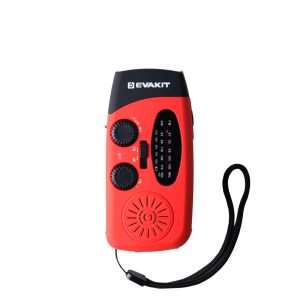
- Crank Radio: Rechargeable main lighting
- Light Sticks: Long-lasting emergency lighting
- Usage Allocation: Saving main electrical lighting
- Safety Redundancy: Multiple independent sources
Technical Specifications:
- Lighting Duration: 12 continuous hours guaranteed
- Initial Intensity: Maximum in the first hours
- Gradual Decrease: Progressive but usable decrease
- Color Temperature: Optimized for night vision
- Emission Angle: 360° omnidirectional lighting
- Waterproofing: IP68, immersion possible
- Shock Resistance: Reinforced break-resistant construction
- Long-term Storage: 2-year shelf life before activation, but will also function afterwards.
- Extreme Temperatures: Guaranteed operation -40°C/+65°C
- Non-toxic: Harmless chemical components
Usage Protocols:
- Firm Bending: Bend the stick until you hear the internal “crack”
- Vigorous Shaking: Mix the components for 30 seconds
- Verification: Ensure uniform lighting along the entire length
- Handling: Avoid piercing or damaging the casing
Strategic Use:
- Lighting Economy: Reserve for situations where electrical lighting is not suitable
- Priority Signaling: Use to be seen rather than to see
- Optimal Placement: Position for maximum efficiency according to use
- Cannot be turned off once activated: Once activated, impossible to turn off
Safety Precautions: Although harmless, avoid direct contact with chemicals in case of accidental breakage. Rinse with clear water if contact with skin. Do not ingest. Dispose of with household waste after exhaustion.